Oct 16, 2026Selection & Buying Guides
How Do I Choose a Heavy Duty Ball Lock Pin?
Choosing a heavy duty ball lock pin sounds straightforward until questions about load capacity, grip length, and material strength arise. Match the pin to actual operating conditions.
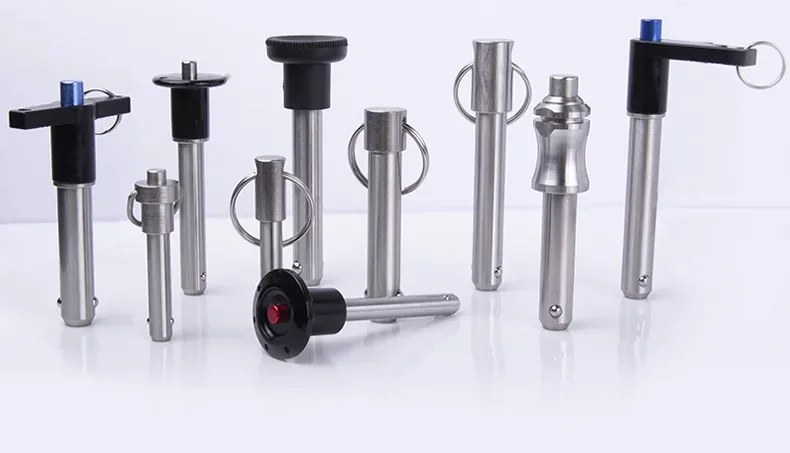
Choosing a heavy duty ball lock pin sounds straightforward until questions about load capacity, grip length, and material strength arise. Choose incorrectly, and a simple fastening component can become an expensive equipment problem. I recommend matching the pin to actual operating conditions, not simply choosing the largest available diameter.
To choose a heavy duty ball lock pin, I start with six factors: actual working load, load direction, pin diameter, usable grip length, material, and locking mechanism. Then I check the mating-hole dimensions, operating environment, and manufacturer's documented performance data. A larger diameter alone does not guarantee a safer connection. The right pin must withstand the intended loads, engage correctly, and remain reliable throughout the required service life. For critical applications, engineering verification and testing are essential before final approval.
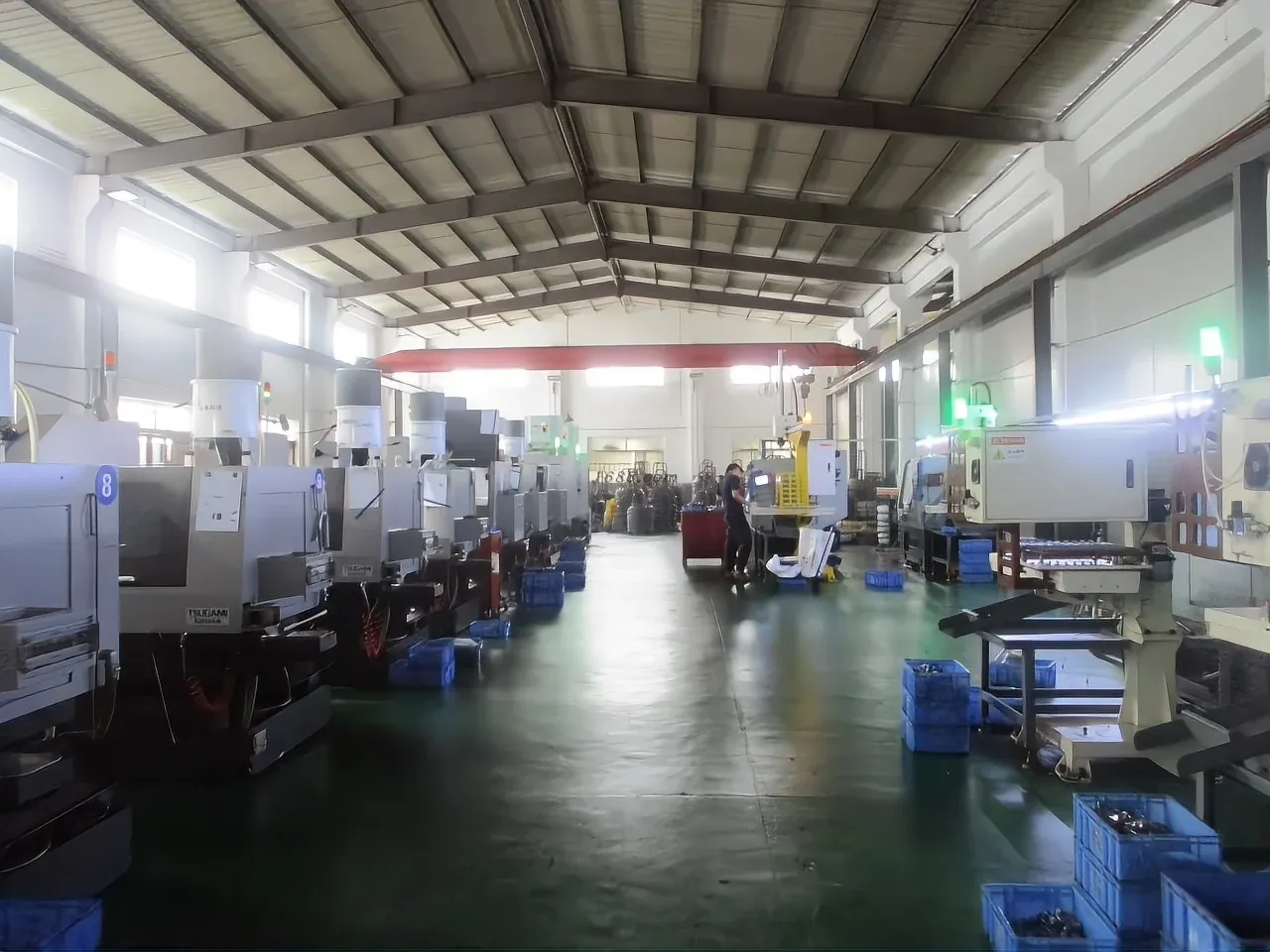
I'm Jason from SKN Fastener, a China-based industrial fastener business established in 2010. I'll walk through the practical questions I believe every industrial buyer should ask before ordering.
1. What Is a Heavy Duty Ball Lock Pin and How Does It Work?
2. How Much Load Can a Heavy Duty Ball Lock Pin Handle?
3. How Do I Choose the Right Ball Lock Pin Diameter?
4. How Do I Measure the Correct Grip Length?
5. Which Material Is Best for a Heavy Duty Ball Lock Pin?
6. What Locking Mechanism Should I Choose for Heavy Duty Applications?
7. How Important Are Hole Tolerance and Fit?
8. Can Heavy Duty Ball Lock Pins Handle Vibration and Repeated Use?
9. What Quality Tests Should a Heavy Duty Ball Lock Pin Pass?
10. Should I Choose Standard or Custom Heavy Duty Ball Lock Pins?
11. How Do I Evaluate a Heavy Duty Ball Lock Pin Manufacturer in China?
12. What Mistakes Should I Avoid When Choosing a Heavy Duty Ball Lock Pin?
1. What Is a Heavy Duty Ball Lock Pin and How Does It Work?
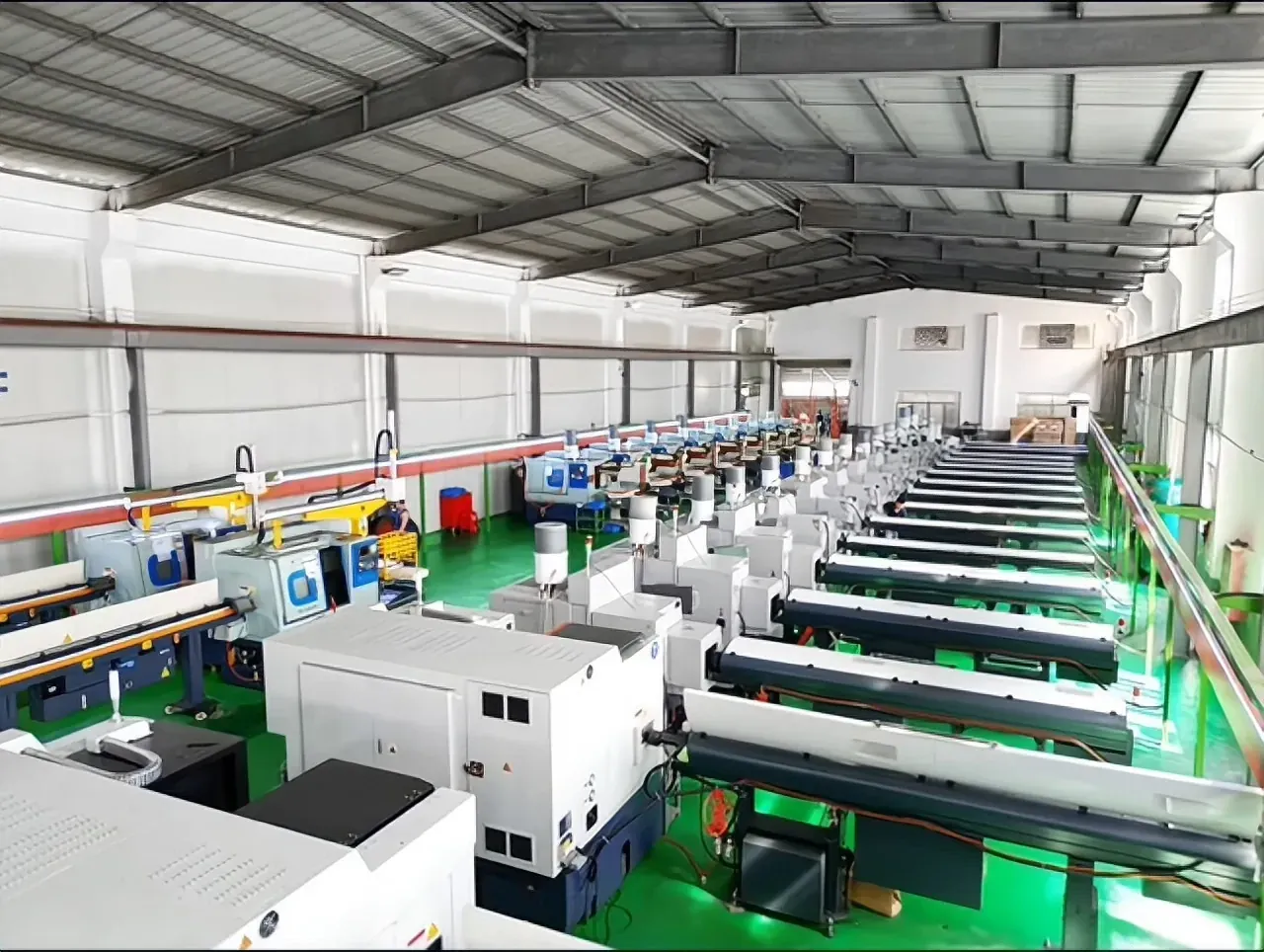
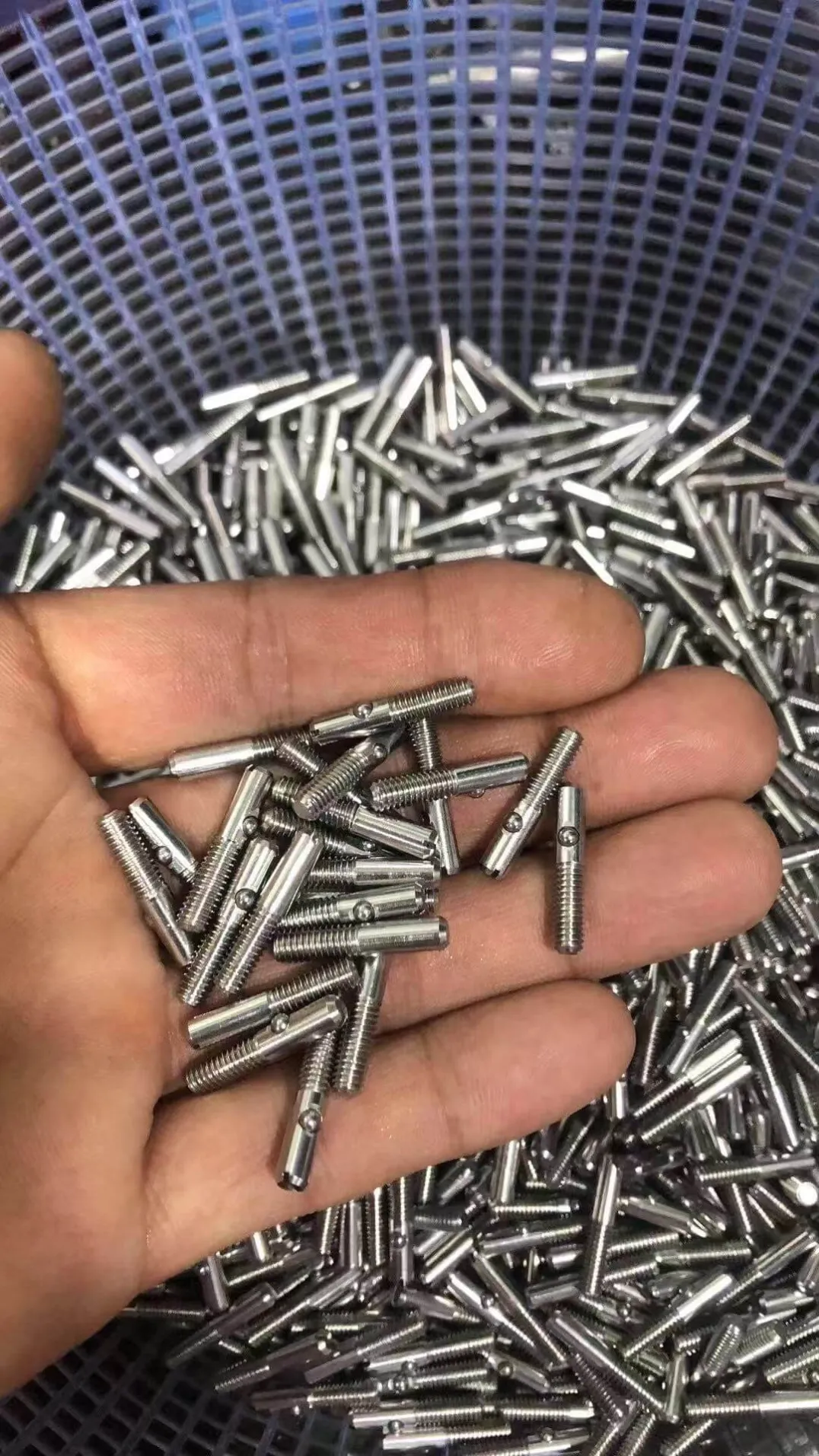
A heavy duty ball lock pin is a removable fastening component designed to connect or position mechanical parts while allowing convenient installation and removal. Unlike a traditional bolt, it generally does not require a wrench during normal operation. That makes it useful for equipment requiring frequent adjustments, maintenance, or component changes.
Most push-button ball lock pins use spring-loaded locking balls near the end of the shaft. Pressing the button retracts the balls, allowing insertion or removal. Releasing the button lets the balls extend and retain the pin in the assembly. The exact mechanism varies by design, and the operator must verify complete engagement before use.
The term heavy duty is not a universal engineering grade. Two suppliers can advertise heavy duty pins with different strengths, materials, and dimensions. I would never accept the description without asking for a specific part number and supporting performance data.
Some manufacturers provide separate pull-out and shear-strength information for particular designs. These represent different performance characteristics; values for another manufacturer's pins cannot simply be transferred to SKN products. See the ball lock pins product category for SKN's standard range.
2. How Much Load Can a Heavy Duty Ball Lock Pin Handle?
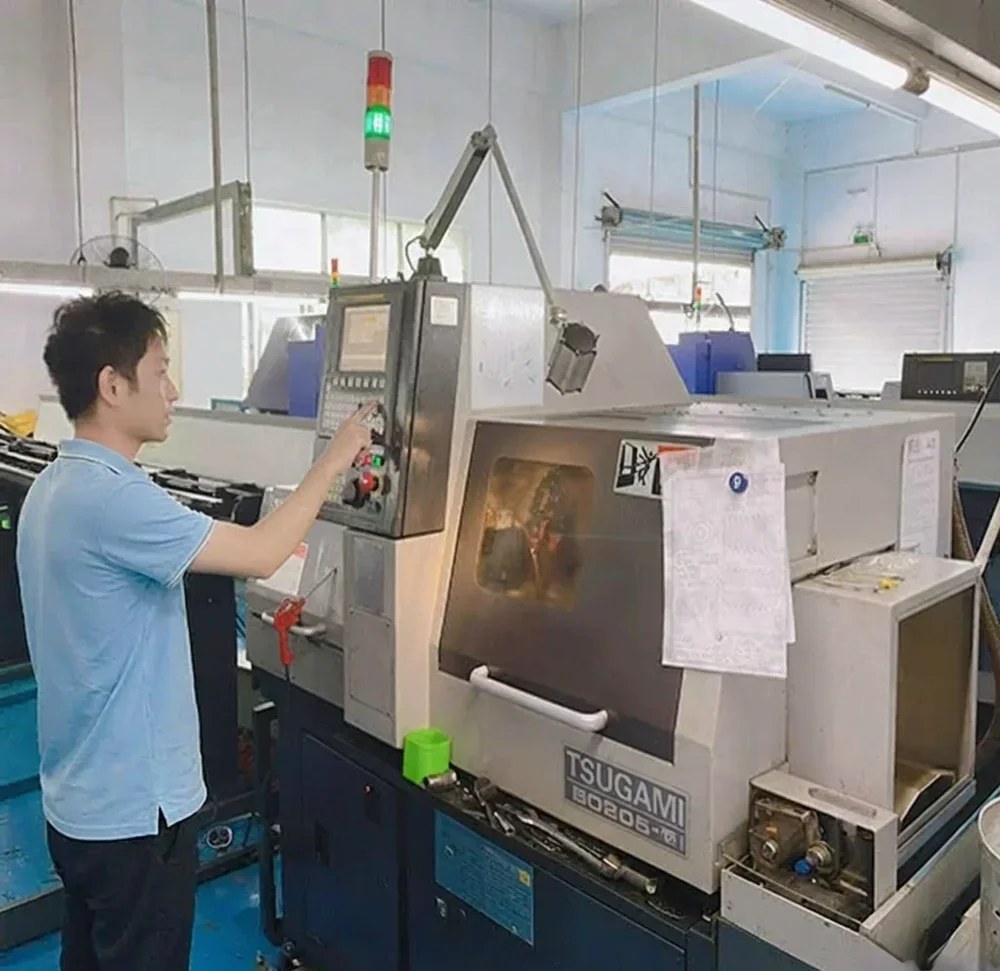
The maximum load depends on pin diameter, material properties, heat treatment, shaft geometry, loading direction, and the surrounding joint design. I recommend identifying the actual loading conditions before comparing supplier specifications.
One of the biggest purchasing mistakes is treating every published strength value as an allowable working load. A calculated ultimate strength, a catalog test result, and an approved working-load limit may be very different numbers.
Loading type | Typical arrangement | Main concern |
|---|---|---|
Single shear | Joint with one shear plane | Bending and joint geometry |
Double shear | Joint with two shear planes | Actual load distribution |
Axial pull-out | Force tends to withdraw the pin | Retention system and mating features |
Combined loading | Multiple force directions | Interaction of failure modes |
A double-shear joint can potentially provide greater shear capacity than a comparable single-shear joint, but that does not mean any given pin automatically has twice the allowable load. Eccentricity, clearance, bending, bearing stress, and load sharing matter.
I suggest consulting the NASA Fastener Design Manual for engineering background. The actual connection still needs product-specific analysis and verification.
3. How Do I Choose the Right Ball Lock Pin Diameter?
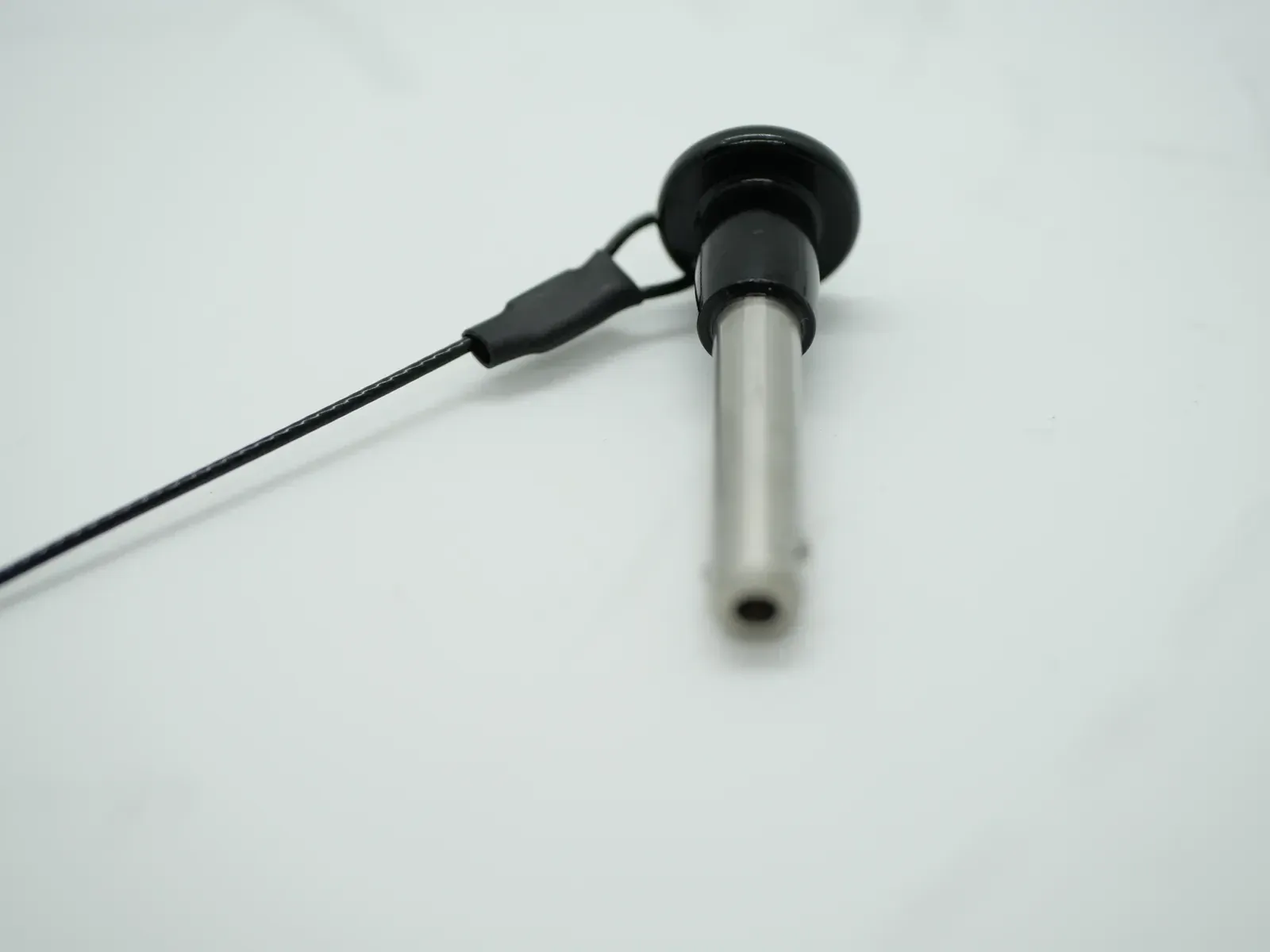
Pin diameter influences the area resisting shear and the fit within an assembly. Increasing diameter may improve potential strength when other conditions are held constant. It also changes weight, available space, mating-hole geometry, and cost.
I start with the applied load and complete joint geometry, then assess candidate diameters using appropriate material allowables, supplier evidence, and design margins. I do not select the biggest pin that happens to fit.
Selection factor | Question to answer |
|---|---|
Working load | What load must the joint sustain? |
Load direction | Shear, pull-out, bending, or combined loading? |
Pin diameter | Does the size meet the defined design requirement? |
Mating hole | Are diameter and tolerances compatible? |
Joint material | Can brackets and plates resist bearing damage? |
Installation space | Can the pin engage and release fully? |
For OEM applications, I recommend examining the complete joint rather than the pin alone. A stronger pin cannot compensate for weak brackets, inadequate edge distance, or poorly controlled holes.
4. How Do I Measure the Correct Grip Length?
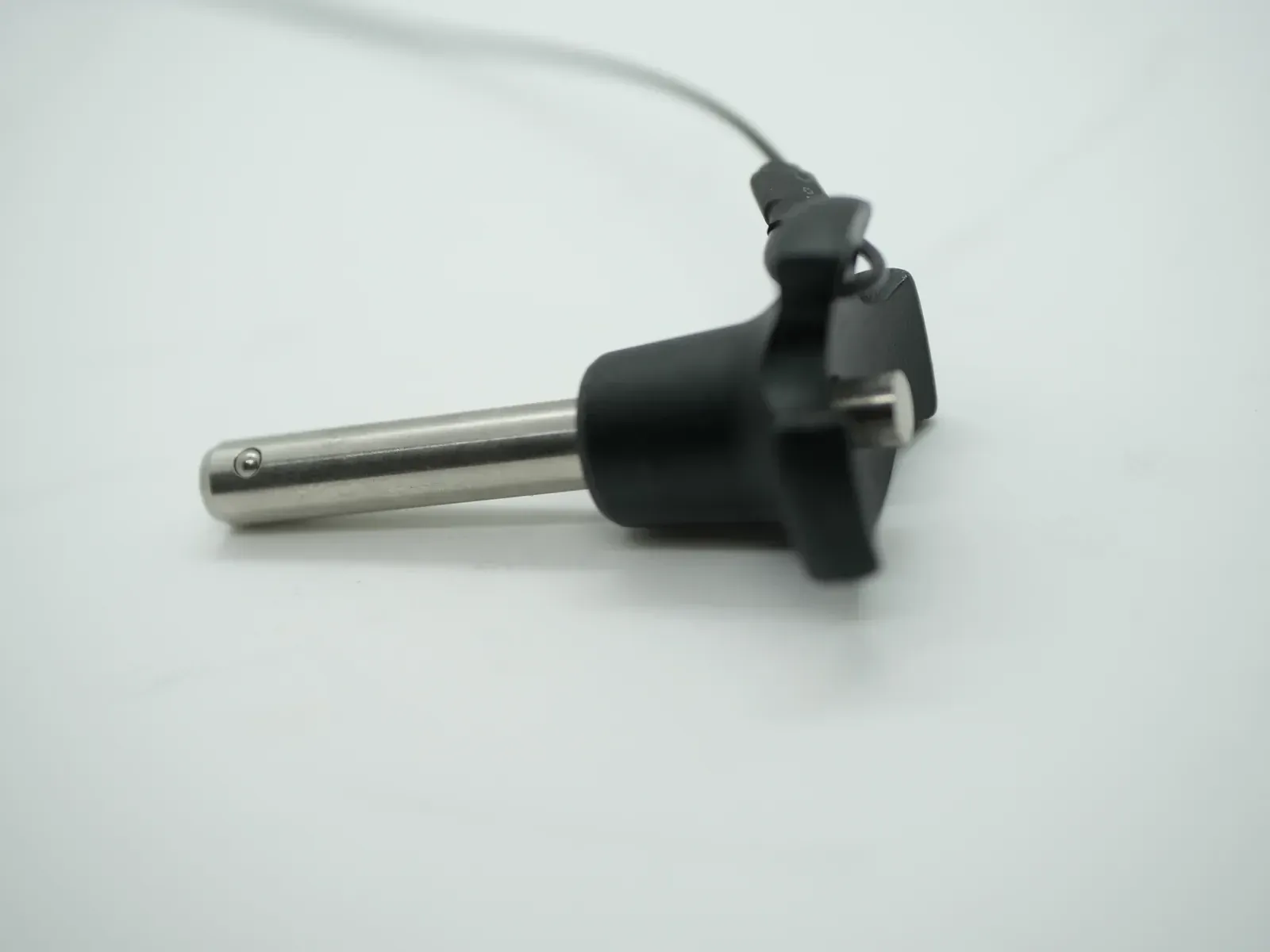
Grip length is one of the specifications I would confirm before ordering. A pin can have the correct diameter and still fail to engage properly if the usable grip length is incompatible with the assembly.
For a conventional ball lock pin, the grip dimension generally relates to the effective distance between the handle-side bearing surface and the locking-ball engagement position. The definition on the manufacturer's drawing takes precedence.
Suppose an assembly contains multiple plates, washers, or spacers. Measure the minimum and maximum possible stack thickness, accounting for component tolerances and operating clearances. Compare those limits with the supplier's pin specification.
The retaining balls must clear the outer surface and engage completely. Excessive length can also introduce interference or unwanted movement. I would confirm the allowable stack thickness, ball position, overall length, and available removal space before approving a drawing.
5. Which Material Is Best for a Heavy Duty Ball Lock Pin?
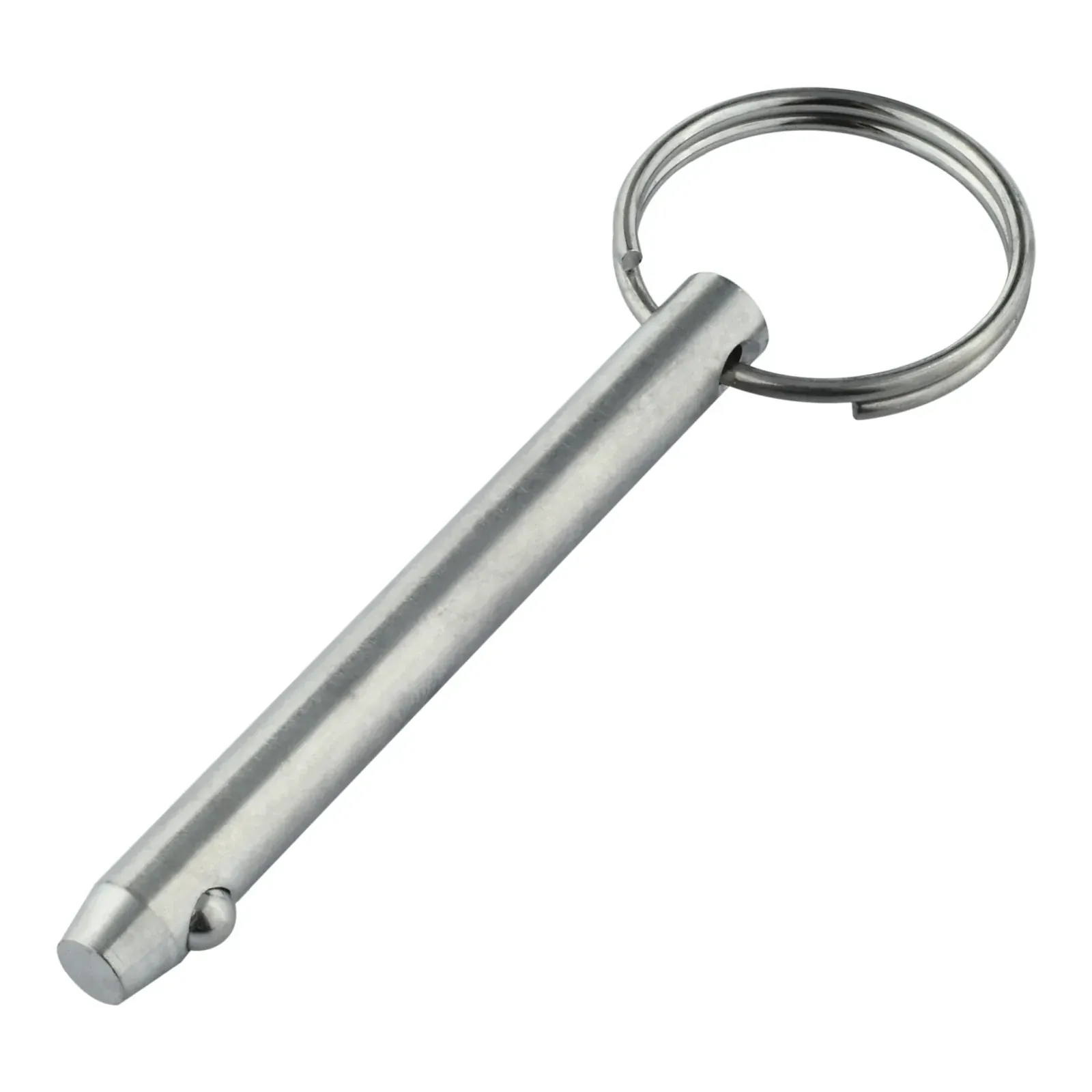
There is no universal best material. I look at mechanical performance, corrosion resistance, wear, manufacturing cost, and service environment together. A marine installation and a dry indoor fixture may require quite different solutions.
Stainless steel is often chosen when corrosion resistance matters. Carbon or alloy steels offer other possibilities for strength and hardening. Actual grade, processing condition, part design, and testing matter more than a broad stainless-versus-steel label.
Material option | Potential advantage | Verify before selection |
|---|---|---|
304 stainless steel | General corrosion resistance | Required strength and chloride exposure |
316 stainless steel | Improved resistance in many chloride environments | Mechanical rating and service compatibility |
Alloy steel | Multiple strength and heat-treatment options | Toughness, coating, and corrosion protection |
Hardenable stainless steel | Potential strength and corrosion balance | Exact grade, condition, and verification results |
Ask whether the shaft, spring, and locking balls use different materials. The weakest critical component or failure mechanism may determine overall performance.
6. What Locking Mechanism Should I Choose for Heavy Duty Applications?
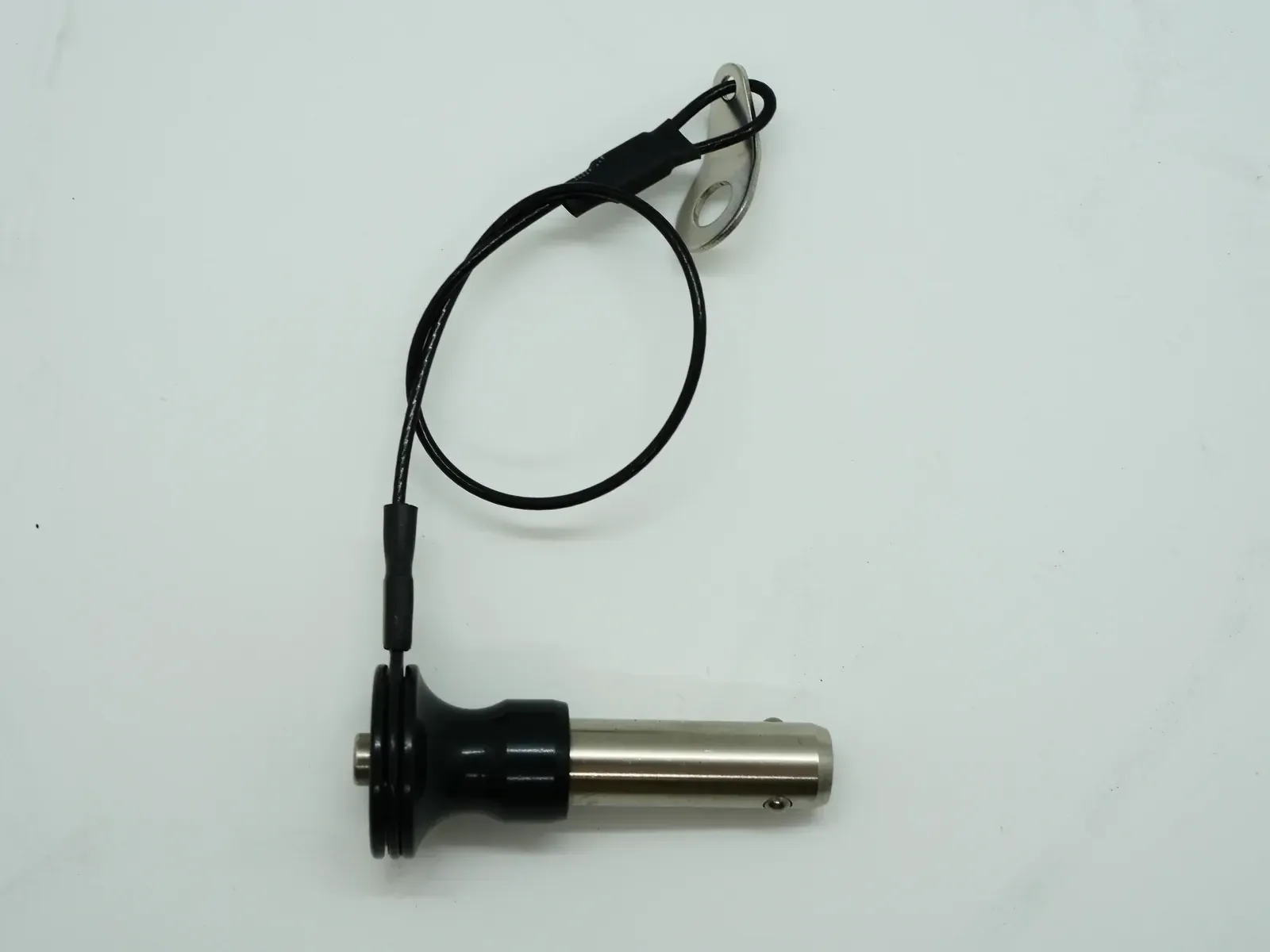
The locking mechanism determines how the pin engages and releases. For heavy duty equipment, I consider both secure engagement and practical operation. A push-button design may be convenient when parts need frequent adjustment, but the application still needs a reliable retention system.
Different handle styles are not necessarily different locking mechanisms. I would check release-button accessibility, operating force, ball engagement, potential contamination, and any risk of accidental operation.
Do not confuse button operating force with the axial load needed to withdraw the locked pin. Nor should you confuse retention strength with shaft shear capacity. They address different failure modes.
If unintended release could create a serious hazard, the equipment designer may need an engineered secondary-retention arrangement or a different fastening method. That decision should follow a documented risk assessment.
7. How Important Are Hole Tolerance and Fit?
Even a strong pin can perform poorly in an incorrectly sized hole. Fit affects installation, alignment, load transfer, vibration, and wear. A hole that is too small may damage the pin or prevent assembly. Excessive clearance may allow impact or unwanted displacement.
I recommend obtaining the supplier's mating-hole requirements rather than inventing one universal clearance value. The approved engineering drawing should identify the relevant shaft, hole, positional, and surface requirements.
For repeat OEM production, check the dimensions of both pins and mating parts. A conforming pin may still misbehave if the customer's assembled holes are out of tolerance.
8. Can Heavy Duty Ball Lock Pins Handle Vibration and Repeated Use?
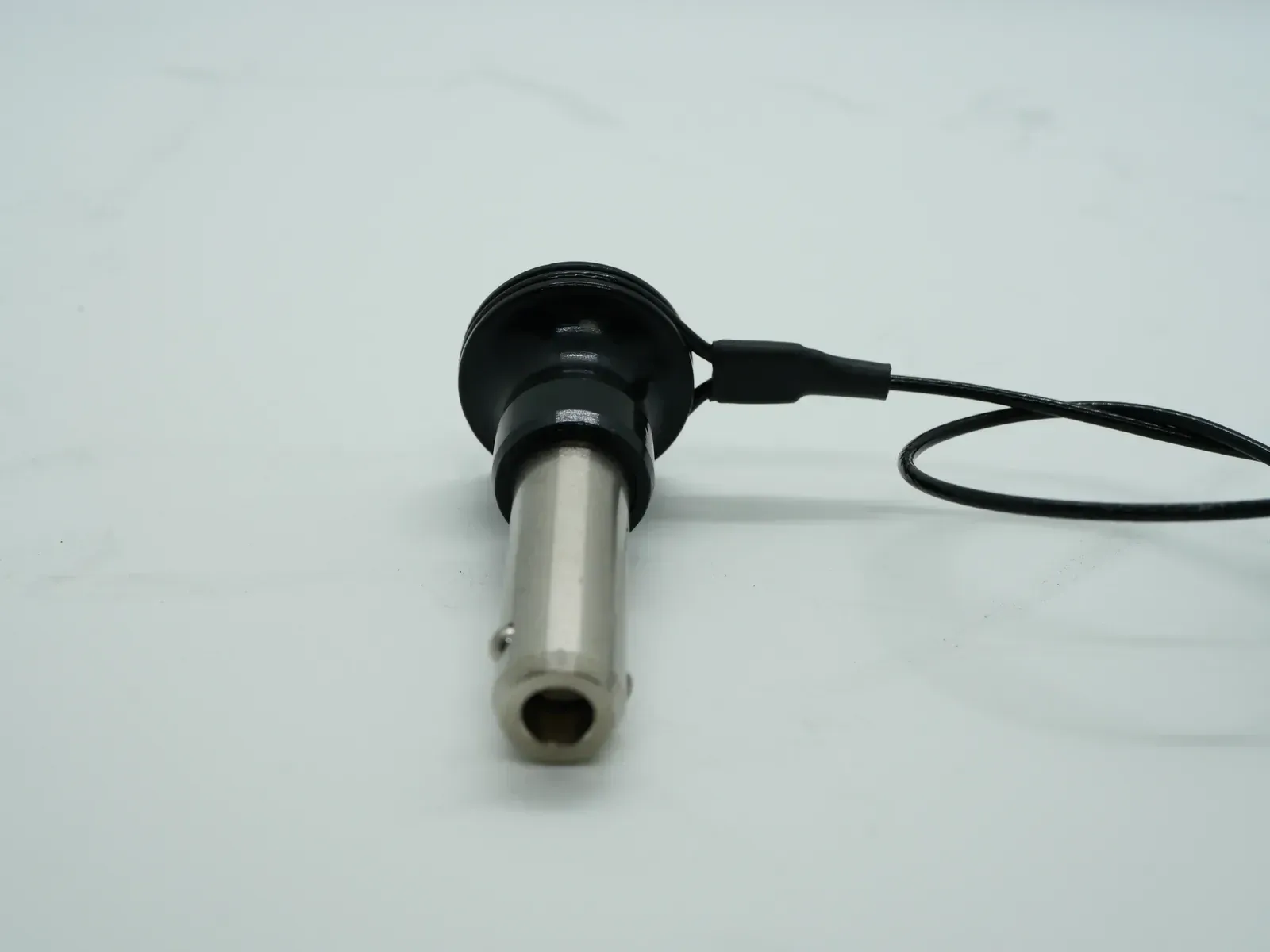
Many industrial machines experience vibration, repeated movement, and frequent maintenance cycles. These conditions affect not only shaft strength but also the locking components, surfaces, and mating parts.
I treat repeated release operations and cyclic structural loading as two separate engineering questions. One focuses on operating wear and continued mechanism function. The other addresses fatigue, load history, and the joint's response to alternating stresses.
Before choosing a pin for repeated use, ask how many engagement cycles are expected, whether loads alternate, and whether dust, coolant, moisture, or lubrication restrictions affect operation.
A verification program can include repeated engagement, dimensional measurement, functional inspection, and application-relevant cyclic testing. I would not promise a fixed service life without evidence tied to the actual design and operating conditions.
9. What Quality Tests Should a Heavy Duty Ball Lock Pin Pass?
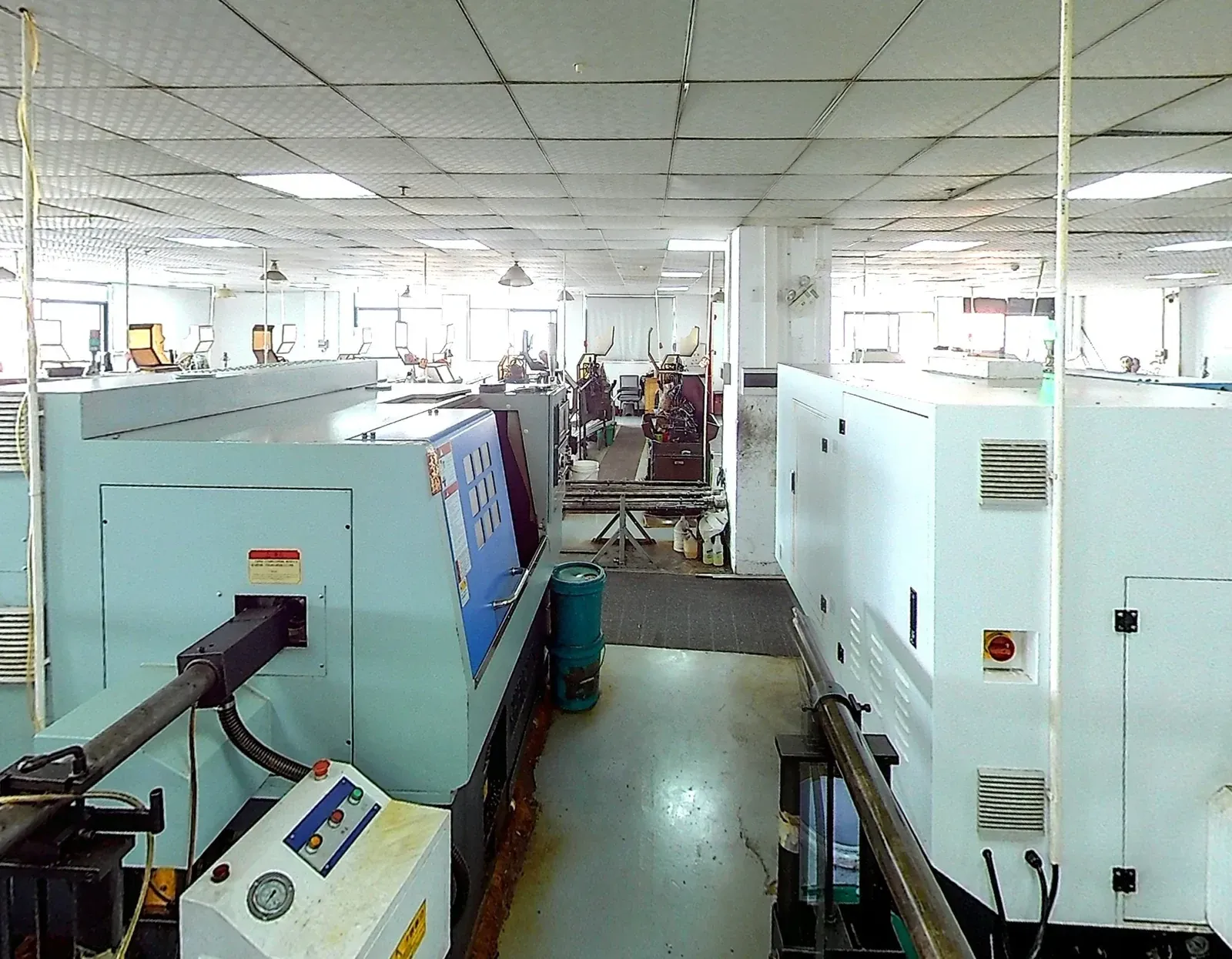
For demanding industrial applications, appearance and dimensions alone may be insufficient. The verification plan should reflect the consequences of failure and the specific requirements of the buyer's equipment.
I recommend specifying the test methods, sample quantities, reporting format, and acceptance criteria before production. Otherwise, an impressive-looking test report may not answer the actual engineering question.
Inspection or test | Purpose |
|---|---|
Dimensional inspection | Drawing conformity |
Material verification | Specified alloy or condition |
Hardness measurement | Applicable heat-treatment requirement |
Shear test | Defined transverse-load performance |
Axial retention test | Resistance to unintended withdrawal |
Function test | Complete engagement and release |
Repeated-operation test | Wear and operating durability |
Environmental test | Suitability for specified exposure |
Not every application needs every test. But any critical performance claim should have appropriate supporting evidence. Confirm whether the stated ratings represent calculated values, tested ultimate loads, or allowable working loads. These terms cannot be used interchangeably.
10. Should I Choose Standard or Custom Heavy Duty Ball Lock Pins?
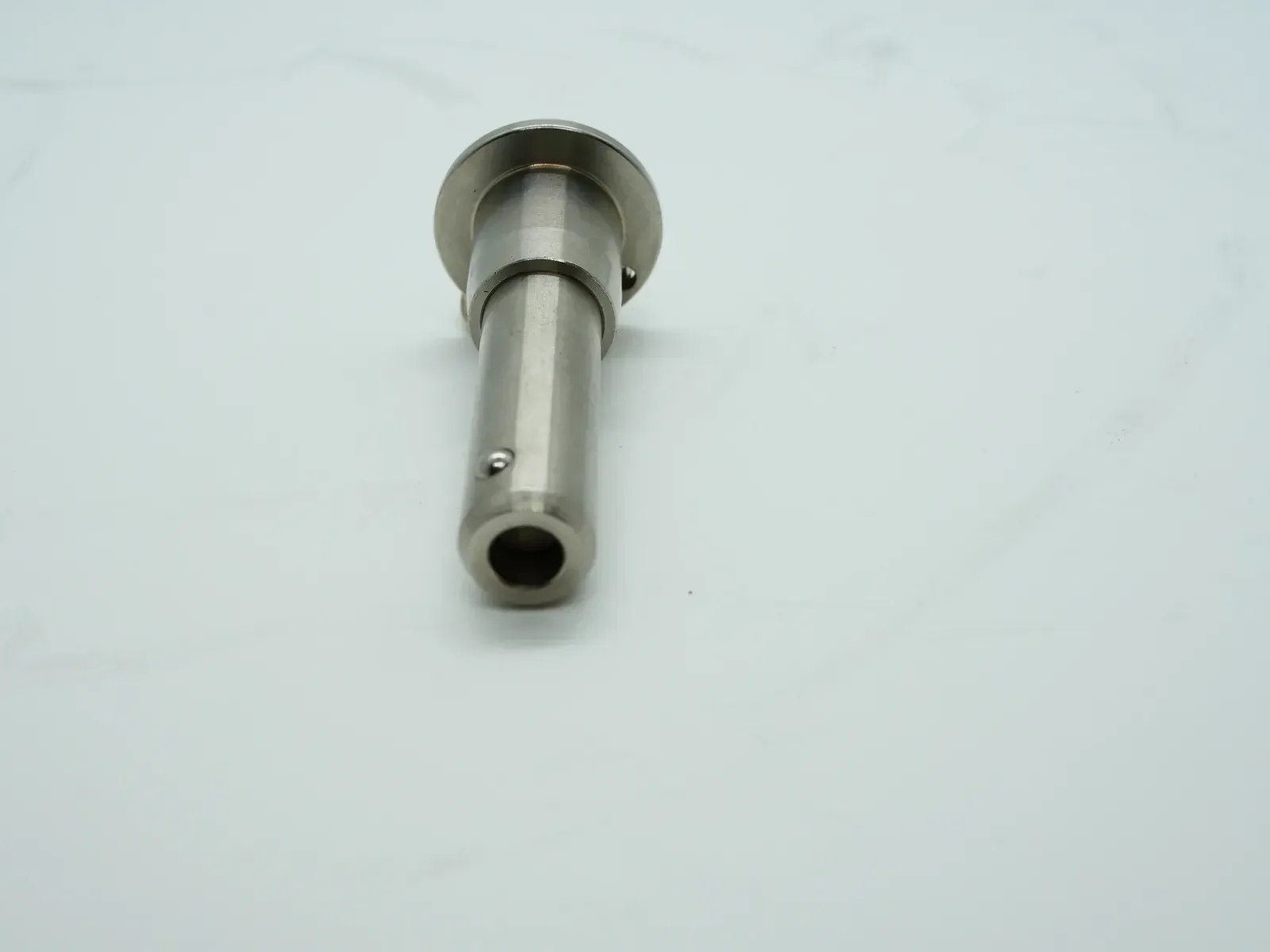
Standard pins can be a sensible starting point when their dimensions, materials, and verified performance already satisfy the application. They may reduce engineering effort and purchasing complexity.
Custom manufacturing becomes more relevant for special grip lengths, shaft geometries, handles, material specifications, or installation constraints. I encourage buyers to customize only when it solves a defined problem.
Requirement | Information for the manufacturer |
|---|---|
Drawings | Approved 2D drawing, revision, and preferably 3D CAD |
Quantity | Prototype quantity and forecast production volume |
Loading | Load direction, magnitude, and duty cycle |
Dimensions | Shaft diameter, grip length, mating geometry |
Materials | Grade, finish, environmental restrictions |
Verification | Inspection criteria and functional tests |
Logistics | Delivery location and requested timing |
At SKN Fastener, we focus on industrial fastening and precision component solutions for B2B customers. A precise technical inquiry makes the manufacturing feasibility conversation more productive.
11. How Do I Evaluate a Heavy Duty Ball Lock Pin Manufacturer in China?
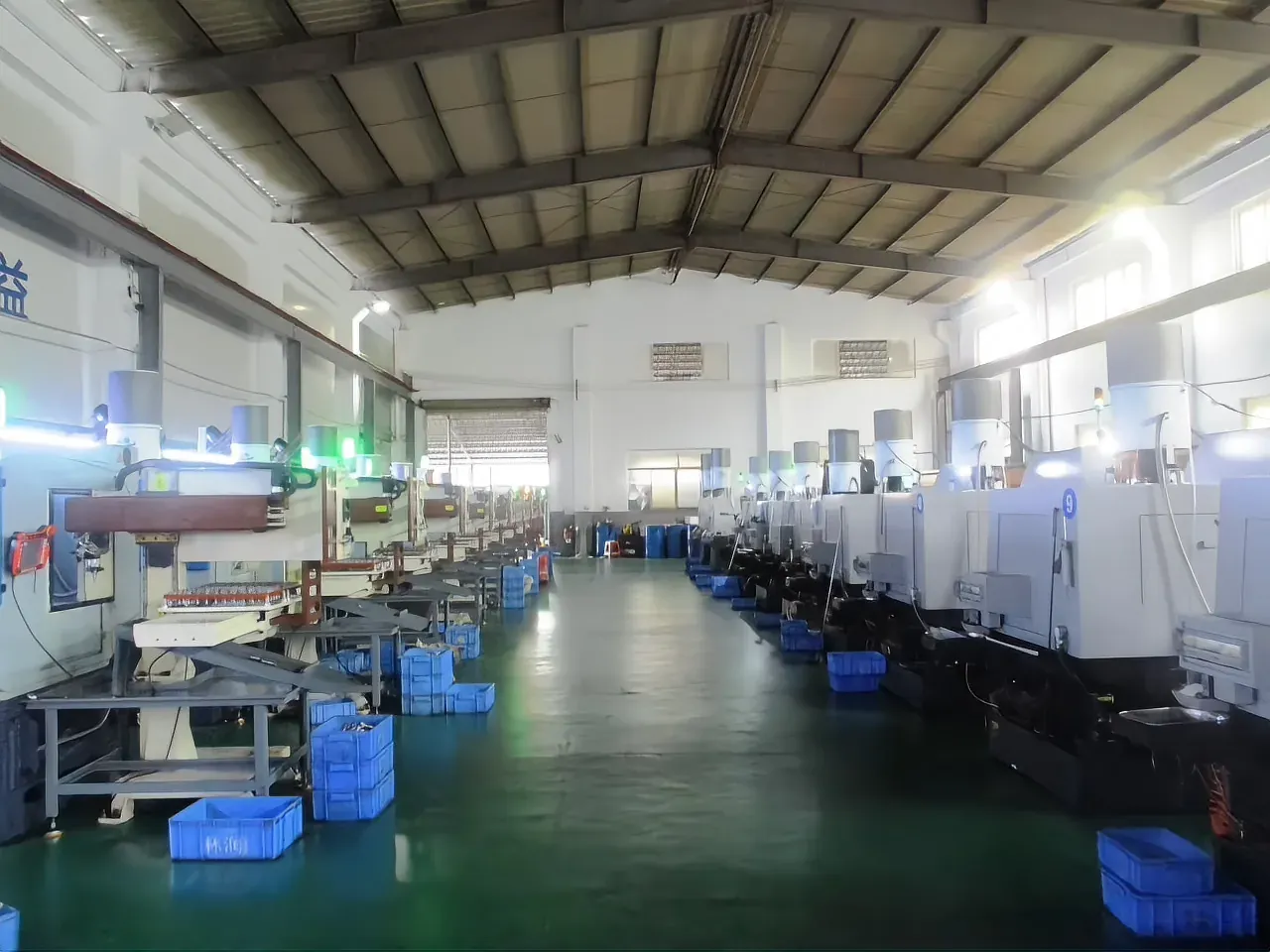
Price matters, especially for importers, distributors, and OEM purchasing teams. But I would not approve a supplier based on unit price alone.
A reliable supplier should explain who actually manufactures the product, who controls quality, which inspections are performed, and how deviations will be handled. For heavy duty applications, I would request product-specific evidence before approving volume production.
Supplier qualification checklist
– Confirm legal company identity and manufacturing arrangements.
– Review drawings, critical dimensions, and mating geometry.
– Confirm specified material and traceability requirements.
– Distinguish allowable loads from ultimate test results.
– Approve representative samples before bulk manufacturing.
– Agree on quality checks and objective acceptance criteria.
– Confirm MOQ, pricing, lead time, and shipment conditions.
– Establish change-control and nonconformance procedures.
Our company was established in 2010, but company age alone does not prove a specific pin's performance. I would judge any manufacturer by the relevance and credibility of its technical and quality evidence.
12. What Mistakes Should I Avoid When Choosing a Heavy Duty Ball Lock Pin?
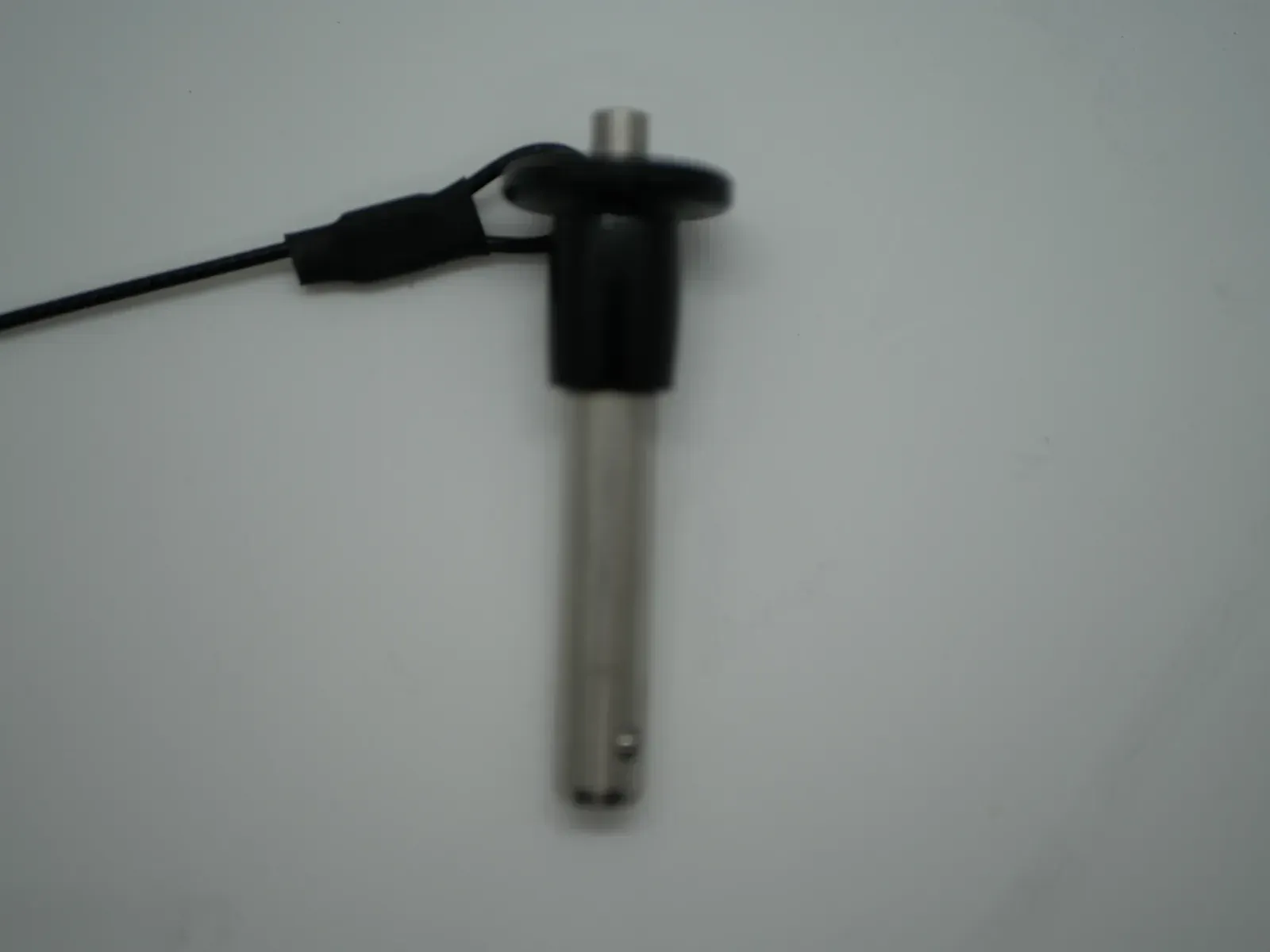
Most selection errors arise when a buyer concentrates on one appealing specification and ignores the complete assembly. A bigger shaft will not fix a weak bracket. Corrosion-resistant steel does not automatically guarantee sufficient load strength.
I would avoid selecting by the words heavy duty, confusing shear capacity with retention capacity, ignoring grip length, assuming all stainless materials behave alike, and approving bulk production before representative samples have been checked.
The better approach is to identify the actual load and environmental conditions, agree on critical dimensions, evaluate the complete joint, and validate the design assumptions that matter most.
A reliable selection is not necessarily the most expensive pin. It is the pin whose proven characteristics match the job.
Conclusion
Choosing a heavy duty ball lock pin requires matching load conditions, dimensions, materials, and retention performance to the application. Verify supplier data and test critical requirements before ordering.
Need custom ball lock pins? Contact SKN Fastener to discuss your drawings, specifications, and B2B purchasing requirements.