Oct 16, 2026Custom OEM Sourcing
How to Choose a Quick Release Pin Manufacturer: A Buyer's Guide
A quick release pin looks simple, but it is a tolerance-critical safety part. Choose an actual manufacturer over a middleman, then verify three things before your trial order.
Search for a quick release pin supplier today and you will find hundreds of lookalike results — identical product photos, suspiciously similar promises, and prices scattered across the map. Pick the wrong one and the real cost is not the pin. It is the production changeover that stalls while you wait for replacements that still will not lock properly.
A quick release pin looks simple, but it is a tolerance-critical safety part, so choose an actual manufacturer over a middleman — then verify three things before you commit. First, the factory behind the name: real machines, real engineers, real process control. Second, the quality system behind the parts: material certificates, inspection reports, testable claims. Third, the engineering support behind the quote: someone who reads your drawing and asks about load and application before quoting. Finally, prove everything with a small trial order.
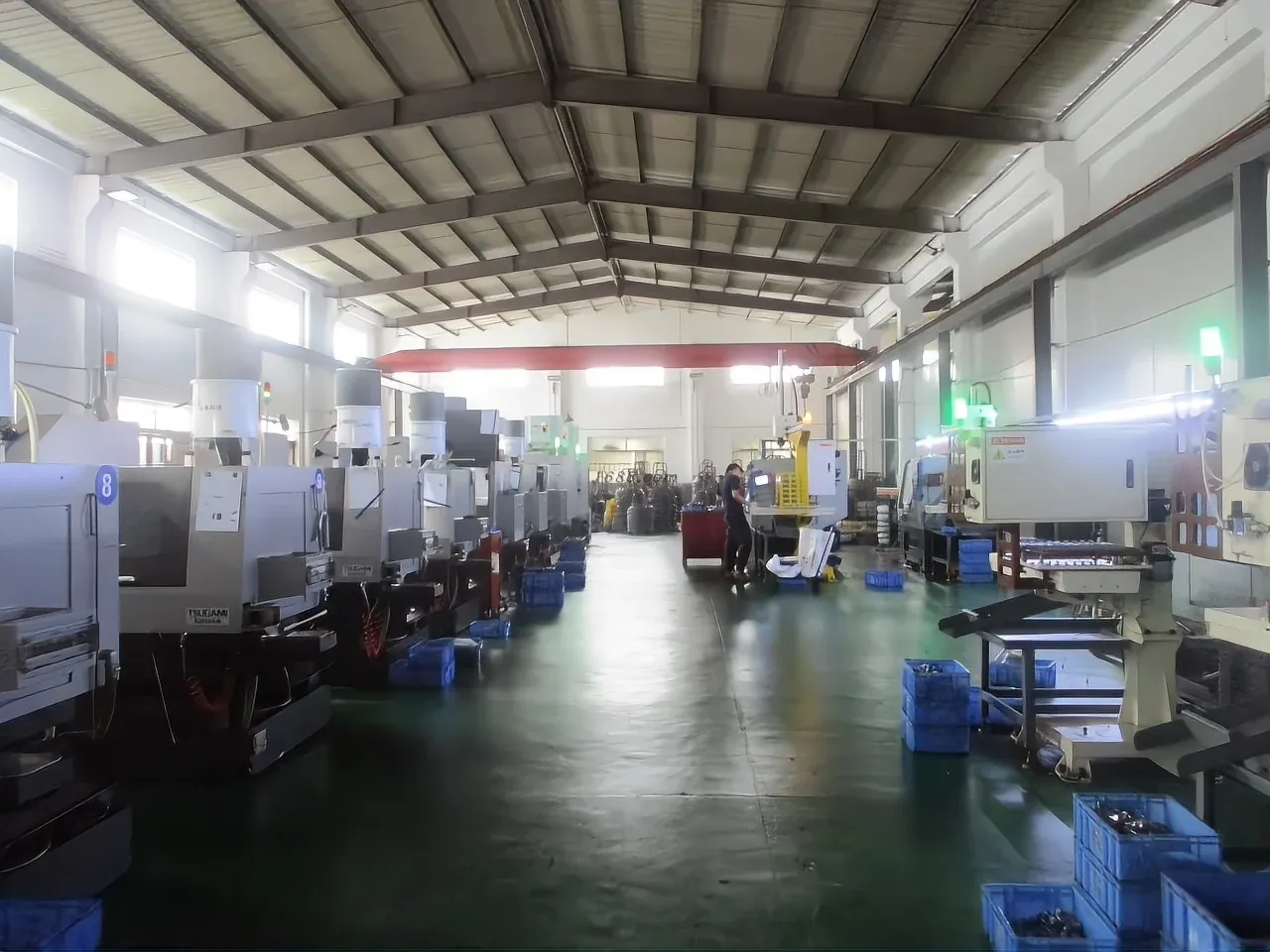
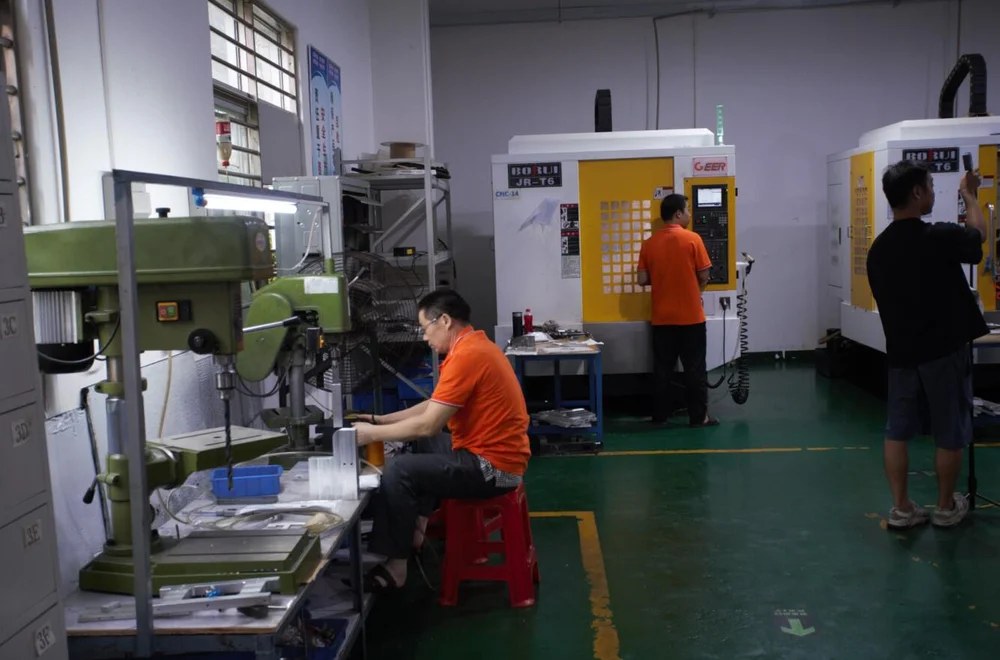
I have run a fastener factory in Shenzhen for more than a decade and shipped pins to buyers across the US, Canada and Europe. So instead of telling you we are the right choice, here is the exact checklist I would use if I were the one doing the choosing.
Why Does Your Choice of Manufacturer Matter So Much?
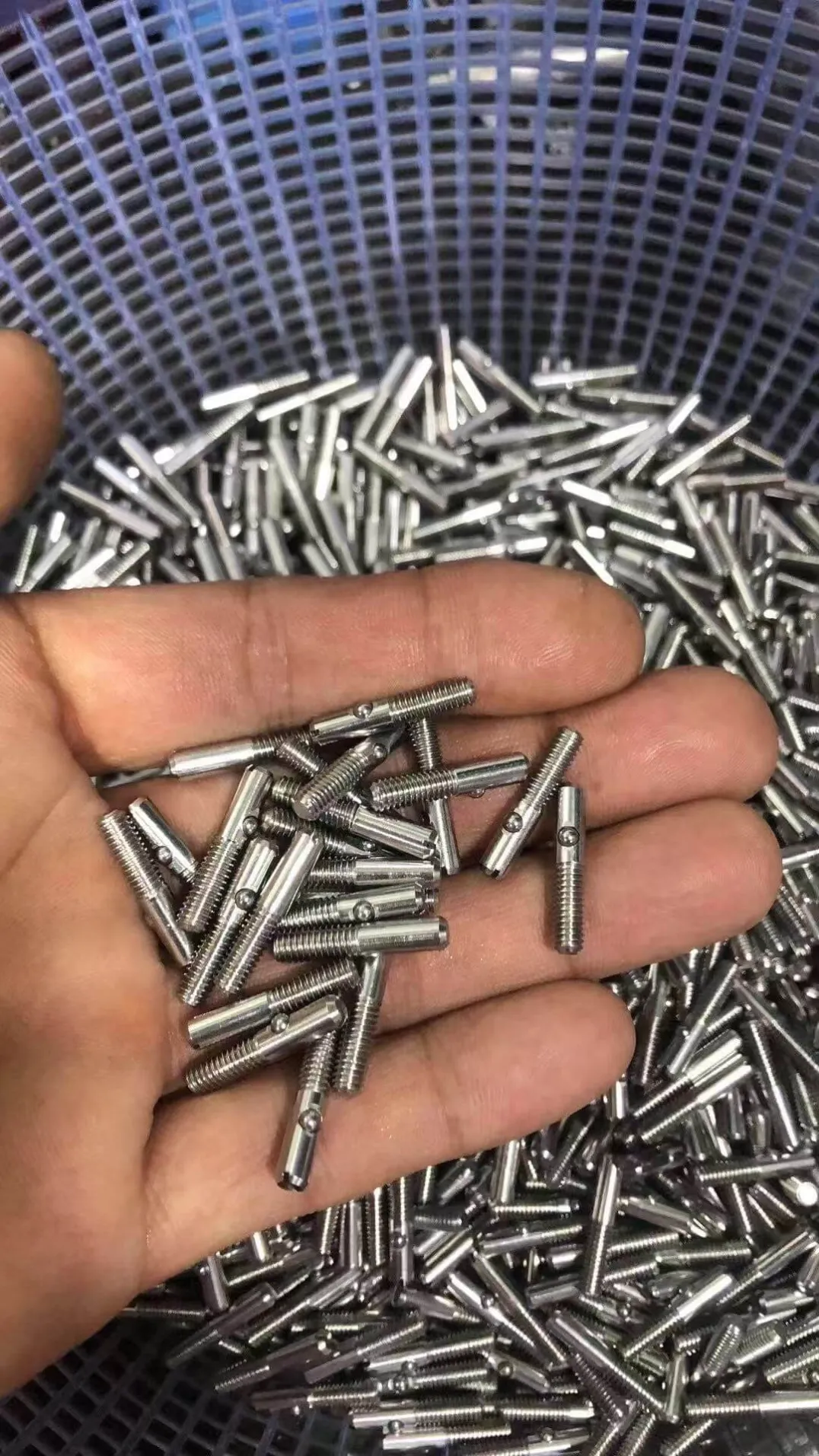
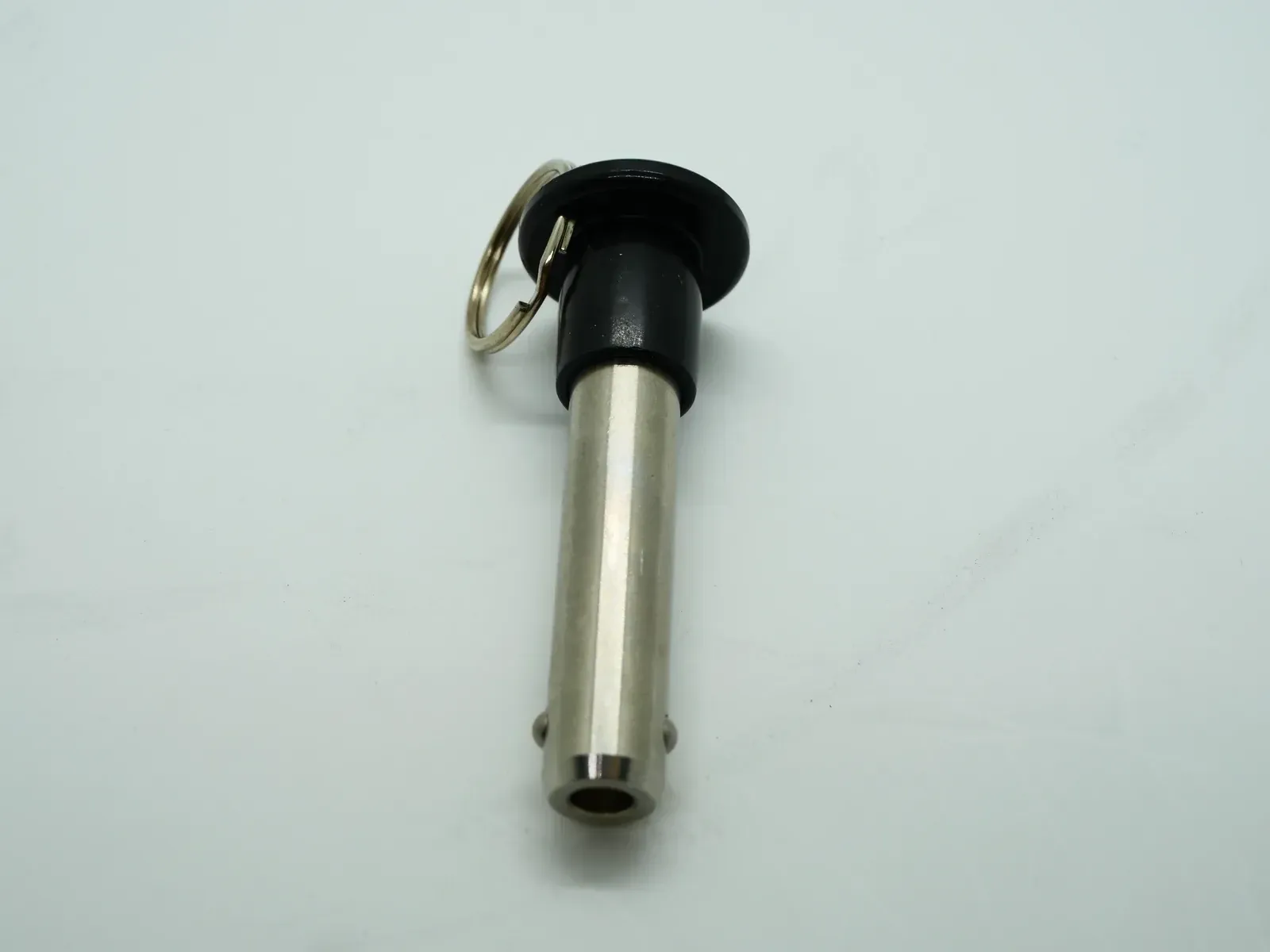
A quick release pin has one job: lock positively when installed, release instantly when commanded. That job is decided by details — ball protrusion, spring force, pin diameter tolerance — that never show up in a product photo. Two pins can look identical and behave completely differently under load.
And these pins are rarely decorative. They hold tooling fixtures, workholding panels, stage rigs, even aerospace ground support equipment. A pin that lets go when it should not means scrapped parts, stopped lines, or worse. That is why shear strength should come from a test report, not a brochure. (ASTM fastener shear testing standard)
Factory or Trading Company: Who Are You Actually Buying From?
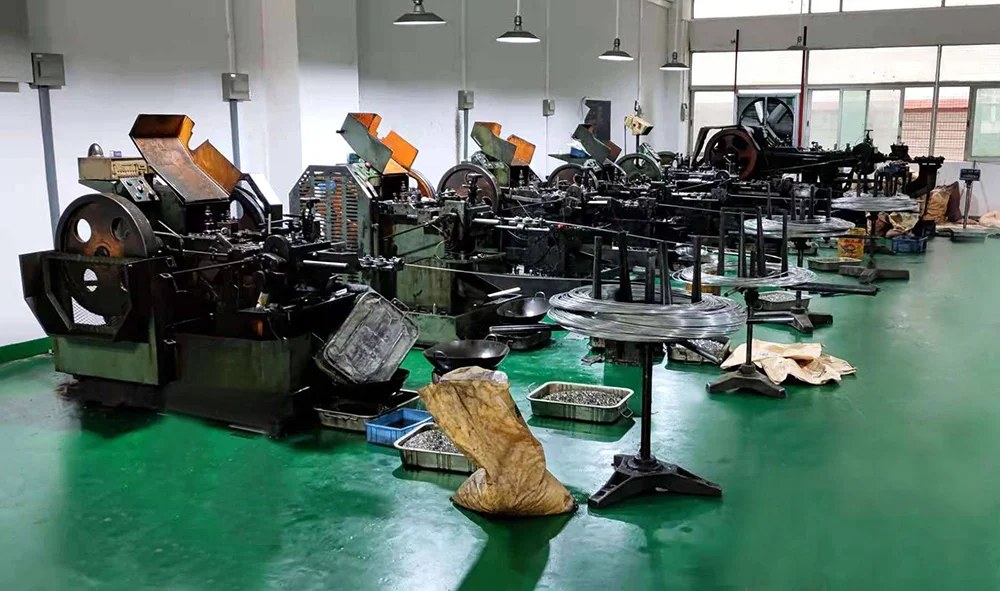
This is the first fork in the road, and honestly the easiest to check. A manufacturer controls machines, process and quality. A trading company controls... a website, and a margin. You end up paying twice: once to the maker, once to the man who forwarded your email.
What to Check | Real Manufacturer | Trading Company |
|---|---|---|
Facility proof | Live video audit or factory tour offered easily | Stock photos, renders, delays |
Technical questions | An engineer answers tolerance and material questions | "Yes, no problem" to everything |
Custom parts | Sampled from their own production line | Relayed to a third factory, plus margin |
Lead time changes | Explains machine scheduling honestly | Vague, surprised, then silent |
Certificates | Issues material certs and QC reports with shipments | Promises paperwork "later" |
A buyer once told me he had "checked" his supplier thoroughly — then discovered his supplier had checked us, by secretly visiting our factory as a so-called sourcing agent. I was not even angry. There is no proprietary technology in forwarding an email.
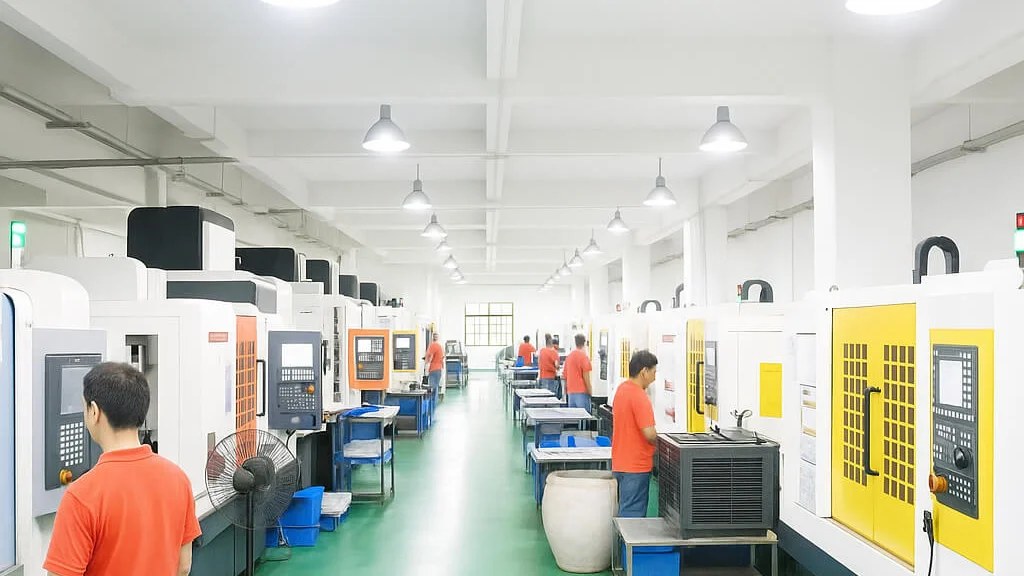
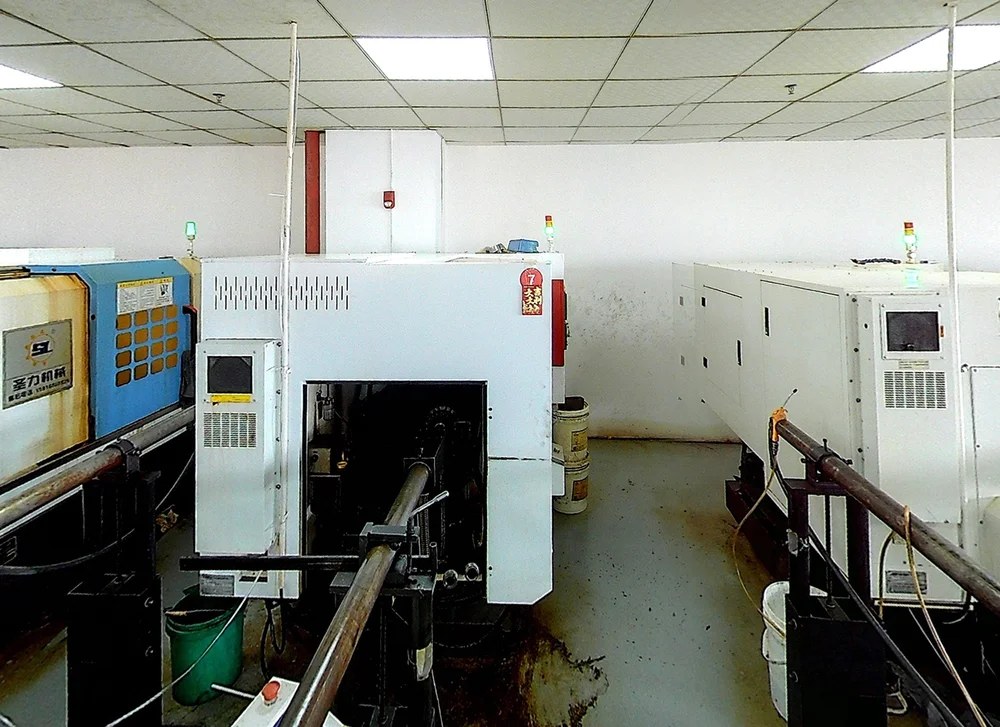
What Should You Look for in Manufacturing Capability?
For quick release pins specifically, four capabilities separate the real factories from the packaging studios:
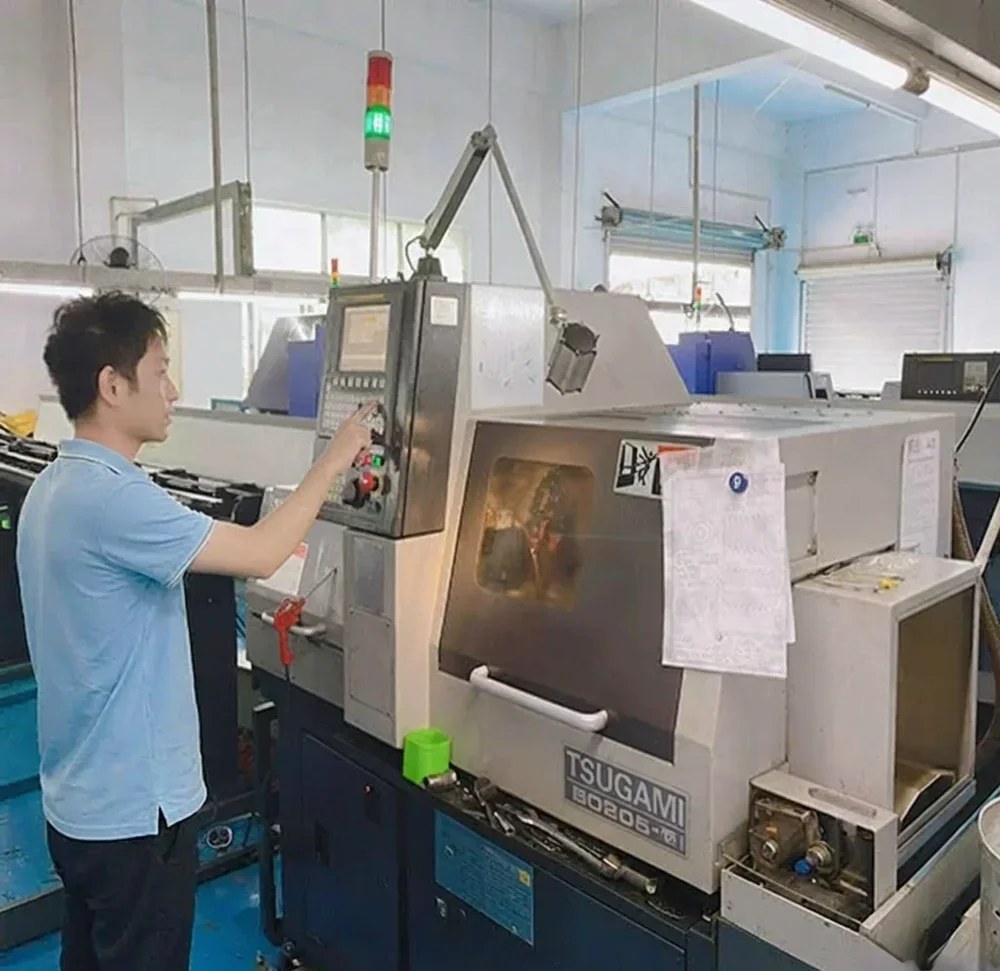
Precision grinding. Pin diameter accuracy and ball protrusion consistency come from centerless grinding, not luck. Ask how they hold it.
In-house springs. The locking and release feel of a pin is spring force. Factories that wind their own springs control force batch after batch; factories that buy springs from whoever is cheapest inherit other people's tolerance.
Turn-mill equipment. Body, spindle and handle components in one setup means better concentricity and fewer mixed-batch surprises.
Dedicated assembly and inspection. Ball lock pins are assembled and tested by hand and fixture. That station is where quality is actually made.
Ask any supplier for the equipment list and the process flow for your part, not a generic brochure. A real factory answers in hours.
How Can You Judge Quality Control Before You Order?
Trust the paperwork you can verify, not the wall of certificates:
Material certificates for the raw stock, traceable to your batch. (EN 10204 material certification standard)
Final inspection reports with real numbers — dimensions, spring force, shear class — not a smiley face stamp. (AQL sampling inspection standard)
Corrosion test evidence if you use pins outdoors or in washdown areas. A factory with its own salt spray chamber can prove claims instead of repeating them. (ASTM B117 salt spray corrosion test standard)
A quality management system behind it all, such as ISO 9001. (ISO 9001 quality management standard)
Here is my favorite shortcut: when you request samples, ask for the QC report of those exact samples. A real factory prints one in a day. A middleman suddenly remembers he is busy.
What About Customization and Engineering Support?
Most buyers eventually need a custom grip length, an inch size, or a special material — and this is where suppliers reveal who they are. The pain point I hear most from American buyers is that suppliers "cannot understand technical requirements." So test it: send a real drawing and ask one simple question — "What would you change?"
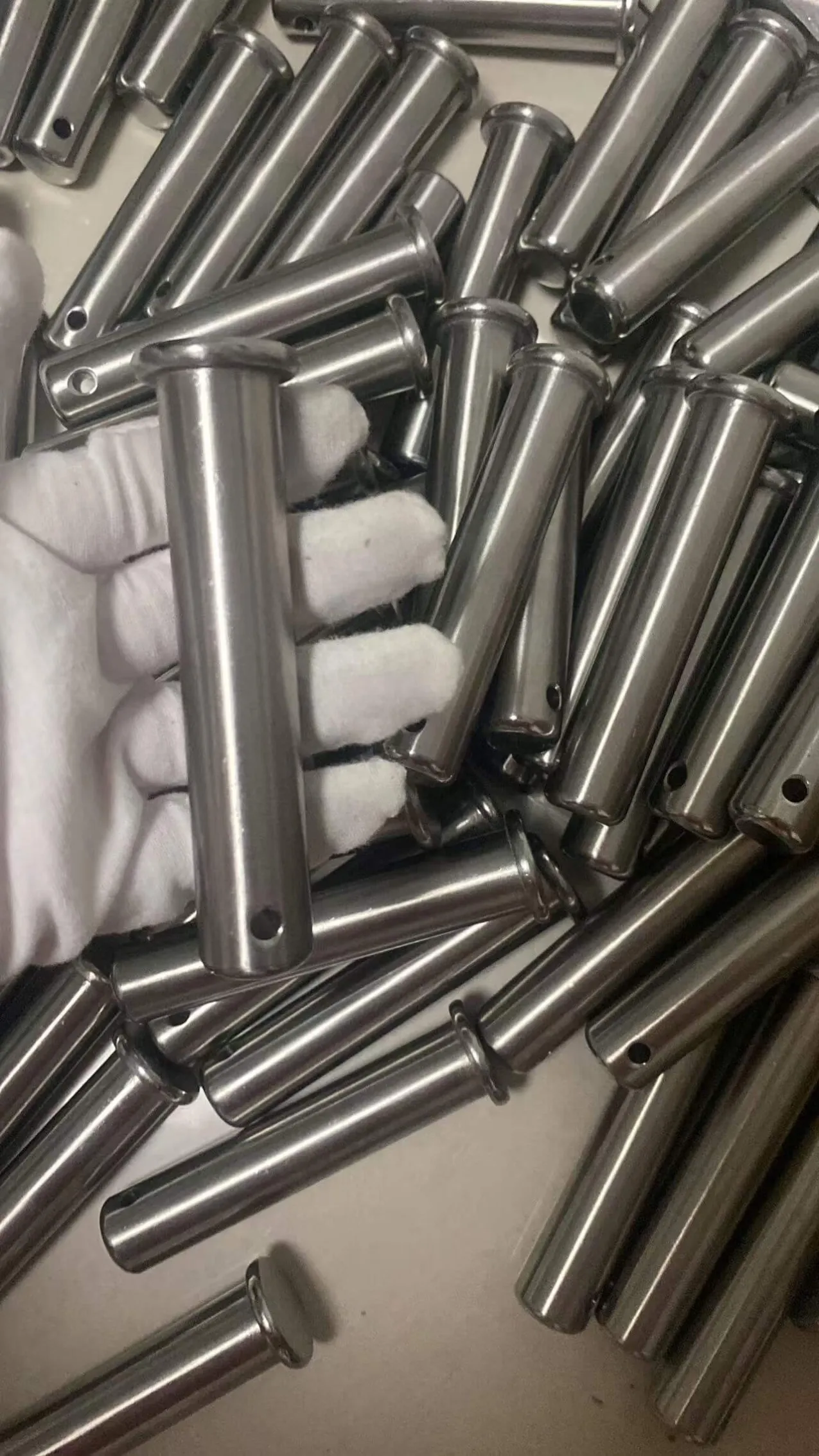
A real factory's engineer replies with questions about load direction, plate stack, environment and cycle counts, and often spots a manufacturability issue before it costs you money. One customer sent us only a photo of a broken competitor pin. Our engineer identified single-shear overload from the fracture face, recommended one diameter up, and that pin has held for years. A salesperson without a factory would have quoted "same size, yes we can."
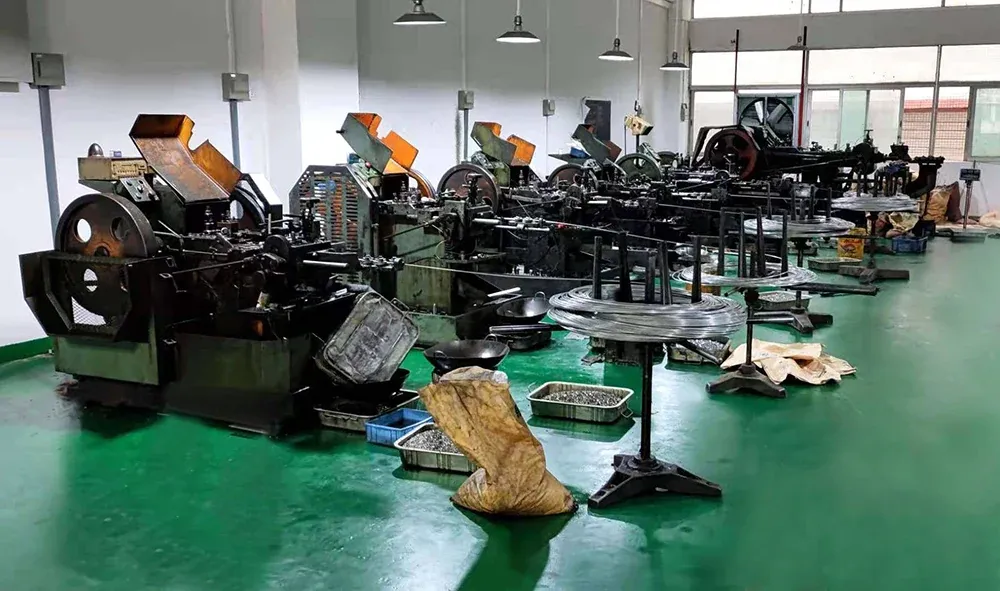
To be fair, custom work needs a process, not just enthusiasm: drawing review, sample, approval, then production with flexible quantities. You can see how we run it on our SKN fastener custom manufacturing service page.
How Do Pricing and Lead Time Really Compare?
Factory-direct pricing is not about being the cheapest line in your inbox. It is about what sits inside the price: inspection, certificates, honest packaging, and a person who controls the machines your parts run on. When you compare quotes, compare those contents — otherwise you are comparing a car to a photo of a car.
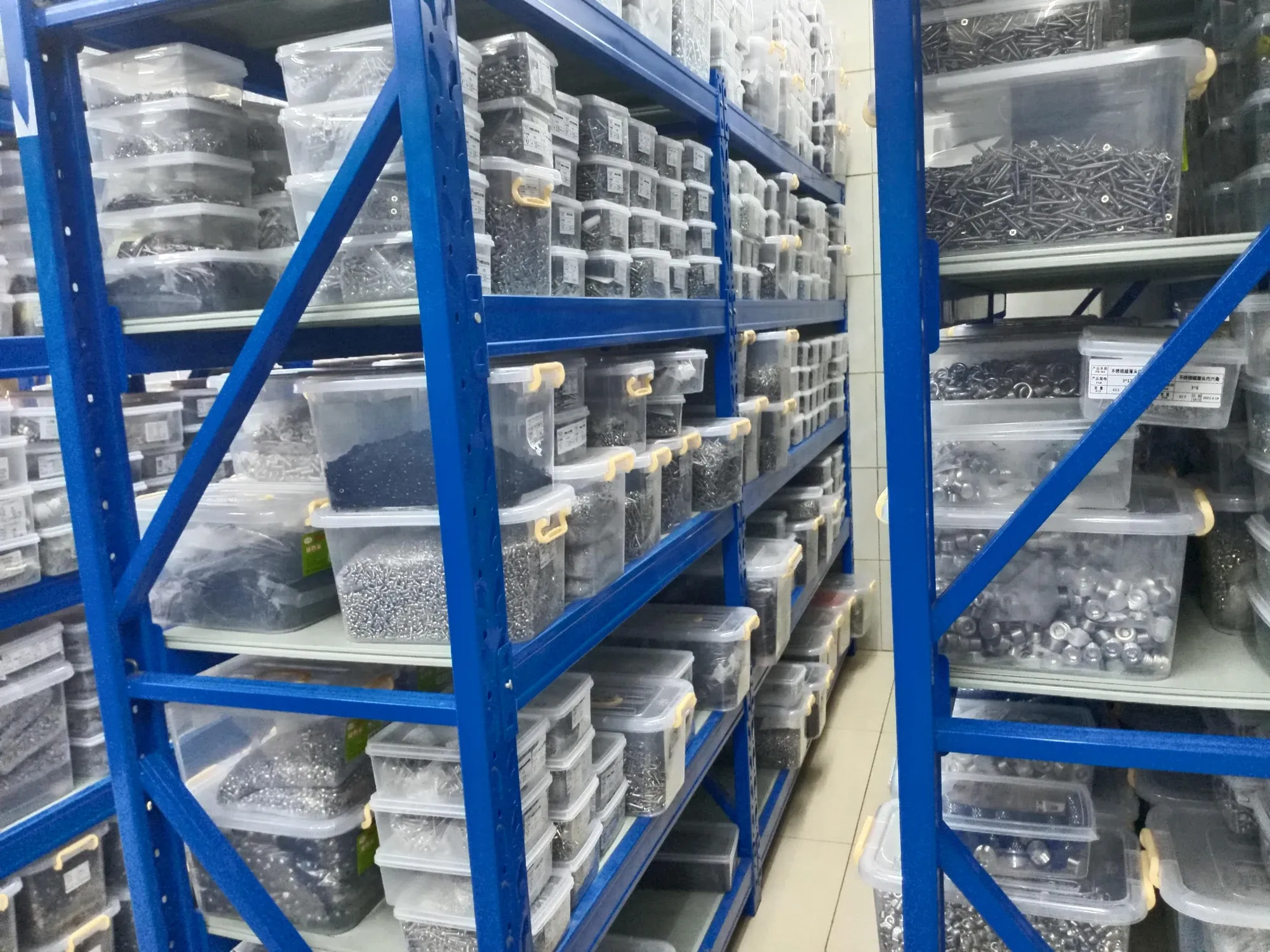
On lead time, ask two questions. First, what happens to your order if it lands behind a production queue — capacity planning or wishful thinking? Second, can repeat items be stocked against a forecast so your reorders ship in days, not weeks? A manufacturer with real capacity answers both without blinking. Current lead times vary by item and season, so ask for yours specifically rather than trusting a chart from a blog post. Including this one.
What Questions Should You Ask Before a Trial Order?
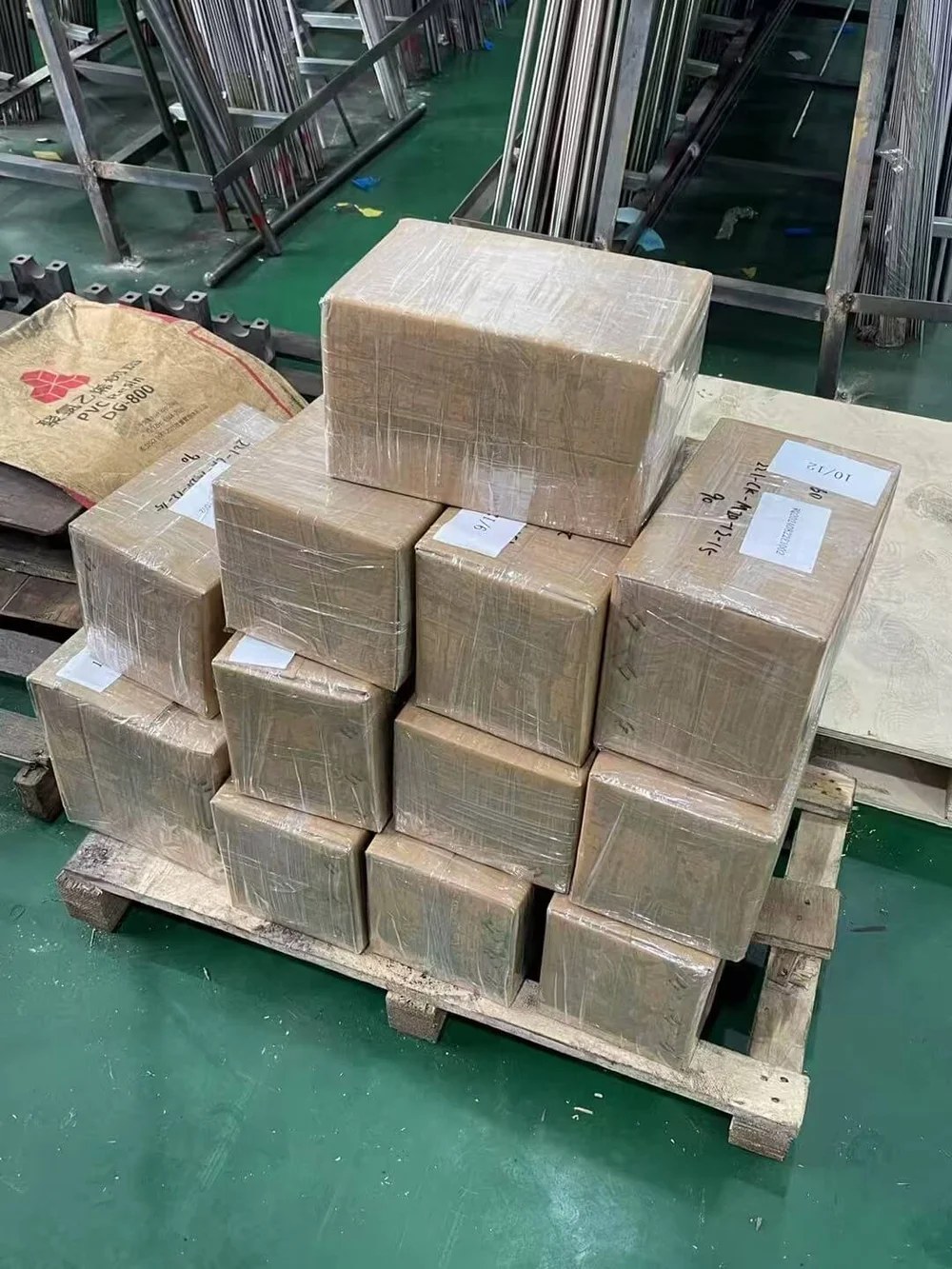
A small trial order is cheap insurance. Before you place one, put these six questions in the email:
Question | What the Answer Tells You |
|---|---|
Are you the factory or a trading company? Can we do a video tour? | Transparency, and how they handle being checked |
Who answers my technical questions — engineer or salesperson? | Whether engineering support actually exists |
Can samples ship with material certs and a QC report? | Quality system maturity in one move |
What exactly is included in this price? | Whether you are comparing real totals |
What is the current lead time for my specific items? | Honesty versus brochure numbers |
What are your payment terms and sample policy? | Standard trade practice, no surprises |
Shortlist candidate parts from our quick release pins product page, send the list, and judge us by the reply speed and the specifics.
Why Does Communication Predict Everything Else?
Buyers tell me the same thing again and again: poor communication causes delays more often than machines do. Think about it — a supplier who will not answer questions before the order is unlikely to chase your shipment after it.
So make responsiveness count for a lot when you score suppliers. Did the reply arrive within one working day, with actual numbers and named people? Or did it arrive next week with three part numbers you never mentioned? A supplier who is vague before the order will be invisible after it. Time zones are real; "no reply" is a choice.
Conclusion
A quick release pin is a small part with a big job, so choose the maker, not the middleman. Verify quality with reports, not promises, and test with a small order before you commit volume. When you are ready to shortlist, Contact SKN fastener for customized fastening solutions.